

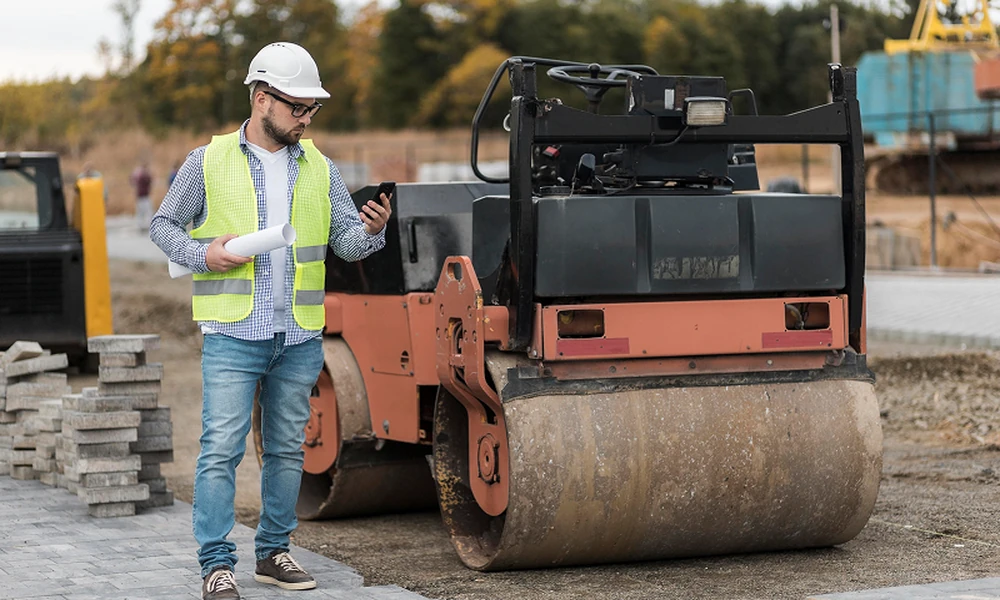
Cement treated base can provide a stabilised layer beneath pavement structures, yet successful installation depends on careful planning before materials reach the site. The mix design, site condition, equipment, placement sequence and curing arrangements all influence how the completed layer performs.
For teams arranging cement treated base CTB supply and laying, planning should cover the complete operation rather than treating material delivery and placement as separate tasks. Coordination is particularly important when the work forms part of wider civil engineering works in Singapore, where site access, programme constraints and surrounding activities can affect construction.
1. Confirm the CTB Specification Before Procurement
The first planning step is to establish exactly what the project requires. CTB specifications can cover cement content, aggregate characteristics, moisture conditions, strength requirements, layer thickness and testing procedures.
Project drawings and technical specifications should be reviewed before ordering materials. Any requirements set by the consultant, project owner or relevant authority should be incorporated into the construction plan.
The team should also confirm how the CTB will be produced and mixed. A consistent process helps ensure that the delivered material matches the approved mix requirements and can be placed within the required working period.
2. Assess the Existing Ground and Formation
CTB should not be planned independently from the layer beneath it. The formation needs to provide suitable support and a stable working surface before placement begins.
Inspect the site for soft areas, standing water, unsuitable material and variations in ground condition. Any required ground improvement or preparation should be completed before CTB operations commence.
Levels and drainage conditions also deserve attention. Poor surface preparation can affect layer thickness and compaction, creating problems that may only become visible after subsequent pavement layers are installed.
3. Coordinate Supply With the Laying Sequence
Timing matters because CTB placement depends on a controlled sequence from mixing through spreading and compaction. Delays between stages can affect workability and make it harder to achieve consistent results.
The cement treated base CTB supply and laying programme should therefore account for production capacity, haulage time, site access and available laying equipment.
Consider how much material can be placed within each working period and how delivery vehicles will enter and leave the site. A realistic sequence reduces congestion and helps the laying crew maintain a steady operation.
4. Prepare the Right Equipment and Workforce
CTB work requires coordination between material handling, spreading and compaction activities. Equipment should be selected according to the project scale, layer thickness and site conditions.
The team may need machinery for grading, spreading and compaction, alongside suitable equipment for controlling levels and checking the finished layer.
Operators should understand the planned sequence before work begins. Clear responsibilities can help prevent gaps between material delivery, placement, moisture adjustment and compaction.
This coordination becomes particularly important on larger civil engineering works in Singapore, where multiple contractors and activities may operate within the same site.
5. Establish Quality Checks Before Laying Starts
Quality control should be built into the construction plan rather than introduced after problems appear. Testing requirements should be established before work begins, with responsibilities assigned for sampling, inspection and record keeping.
Depending on the project specification, checks may cover material properties, moisture content, layer thickness, compaction and strength development.
The completed CTB should also be inspected for surface condition and level before subsequent pavement layers proceed. Keeping records throughout the process provides useful evidence that the work followed the approved requirements.
Preparation Checklist
- Confirm the approved CTB mix and technical specifications.
- Inspect and prepare the formation before placement.
- Coordinate material supply with the planned laying sequence.
- Confirm equipment availability, site access and operator responsibilities.
- Establish testing, inspection and documentation procedures.
Planning the Work as One Construction Process
Effective CTB installation depends on coordination from procurement through final inspection. The material specification needs to match the pavement design, while site preparation and equipment must support consistent placement and compaction.
For cement treated base CTB supply and laying, planners should therefore consider delivery timing, formation condition and quality control alongside the material itself. These details can have a direct effect on programme continuity and the finished pavement layer.
When the work forms part of wider civil engineering works in Singapore, early coordination can also help align CTB activities with other site operations and construction milestones.
Contact United E&P to discuss cement treated base CTB supply and laying requirements, material coordination and site planning for your infrastructure project.
