

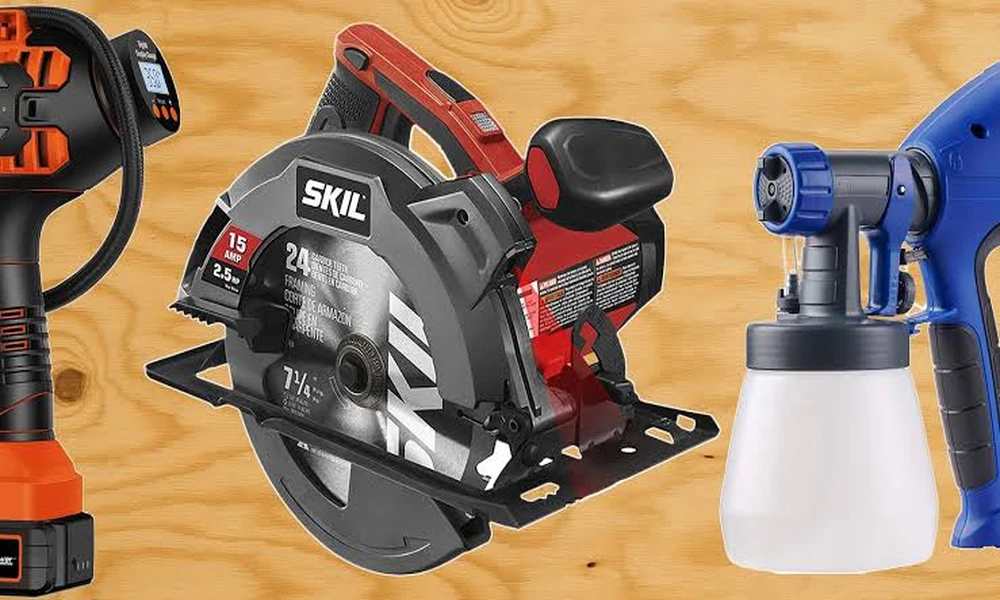
A job site without the right power tools can quickly turn even a simple project into a headache. Experienced contractors know that having the right equipment on hand can mean the difference between finishing on schedule and facing costly delays. Whether you specialize in framing, concrete, renovation, or landscaping, a handful of essential power tools form the backbone of any professional toolkit.
Essential Power Tools: What Every Contractor Needs
Before investing in tools or even deciding what to rent for a specific job, it pays to understand what matters most: durability, versatility, and efficiency. The best power tools are those that withstand daily wear, can be adapted for multiple tasks, and deliver reliable performance across a range of projects. Tools that meet these criteria become not just conveniences, but investments in your reputation as a contractor.
So, what makes the cut? While every trade has its unique needs, a few categories stand out across the board. Drills and drivers, saws, demolition tools, sanders, and finishing equipment are must-haves. Within these, choices often depend on job size, work frequency, and the level of precision required.
Corded vs. Cordless Tools: Pros, Cons, and Use Cases
Choosing between corded and cordless tools often comes down to power output and runtime. Corded tools offer uninterrupted power, making them the go-to for demanding applications like continuous drilling or masonry work. On the other hand, cordless tools have come a long way in terms of battery life and output, offering unmatched flexibility across sprawling job sites.
Portability is key when moving between projects or working in areas where outlets are scarce. However, corded models usually have a longer service life and are easier to maintain in the long run, since battery replacement can add up in cost for cordless options. The choice often boils down to your typical work environment and whether speed or raw power is the priority.
Drilling and Driving: Comparing Hammer Drills, Impact Drivers, and Rotary Hammers
Every contractor will reach for a drill at some point, but not all drills are created equal. Hammer drills combine rotation with a pounding action, ideal for boring into concrete or brick. Impact drivers deliver short, powerful bursts for driving screws and bolts quickly, making them indispensable for assembly and framing.
Rotary hammers take things a step further, designed for heavy-duty drilling and chiseling. While they are heavier and more specialized, their efficiency at breaking through concrete or stone is unmatched. For most jobs, a hammer drill and an impact driver will cover 90% of needs, but for large demolition and masonry projects, the rotary hammer becomes essential.
Cutting Tools: Circular Saws, Reciprocating Saws, and Miter Saws
Sawing tasks are as varied as construction itself. Circular saws are the workhorses, prized for their versatility with wood, plywood, and even metal when using the right blade. Reciprocating saws (or “Sawzalls”) shine during demolition, quickly slicing through studs, pipes, and fasteners.
Miter saws provide precision for angled cuts, crucial for trim and framing work. The best contractors often have all three on hand, ensuring adaptability to any material or cut required. Portability matters too, especially for tools that need to move between floors or sites. Safety features like electric brakes and blade guards are non-negotiable for reducing injury risk and boosting user confidence.
Demolition and Surface Preparation: Demolition Hammers vs. Rotary Hammers
When it comes to breaking down concrete and masonry, not all demolition tools are equal. Demolition hammers are built for pure impact, making quick work of old slabs or walls. Rotary hammers, while excellent for drilling, also handle light demolition with chiseling attachments but may not match the brute force of a dedicated demo hammer.
Weight and handling become critical on prolonged tasks. A lighter rotary hammer can be easier on the arms over several hours of overhead work, but for breaking up a thick concrete floor, the added heft of a demolition hammer is an advantage. Here, renting rather than buying can make sense, especially if demolition work is only an occasional requirement. Cost-benefit calculations are crucial when considering tool longevity versus rental fees.
Sanding and Finishing Tools: Orbital Sanders vs. Belt Sanders
Sanding is often the final touch before paint or stain, and the right tool ensures a flawless finish. Orbital sanders are best for smooth, swirl-free surfaces on wood or drywall. Belt sanders, on the other hand, strip material aggressively, ideal for leveling floors or removing old paint.
Dust collection isn’t just about comfort; it keeps the job site clean and helps maintain a healthy work environment. Look for models with effective dust ports and replaceable filters to keep your tools running longer and your workspace safer.
Tool Acquisition Strategies: Renting vs. Buying Essential Power Tools
The decision to rent or buy power tools is rarely straightforward. Buying makes sense for tools used daily, while renting offers flexibility for specialized or infrequent needs. Cash flow management is a real concern for many contractors, which makes rental services like Location Ferrento tool rental invaluable. They provide access to the latest models, expert advice, and even delivery to the job site, saving both time and money.
Maintenance is another key issue. Owning tools means handling repairs and keeping up with wear and tear, whereas reputable rental centers offer professional servicing and quick replacements, sparing you costly downtime.
Maximizing Productivity: Tool Storage, Transportation, and On-Site Management
Even the best tools lose their value if they’re hard to find or stuck in a van. Organizing essential tools in clearly labeled cases or toolboxes ensures quick access and reduces lost time. Mobile carriers and job site storage solutions help keep everything secure and close at hand.
Delivery and repair services, such as those offered by providers with dedicated fleets, can make a real impact on your schedule. When the right tool arrives exactly when you need it and any issues are resolved quickly, delays shrink and productivity climbs.
Equipping yourself with the right power tools is about more than convenience. It’s about building a foundation for craftsmanship, efficiency, and reliability. With the right approach, balancing buying, renting, and expert support, contractors can focus on what matters: delivering quality work, project after project.
