

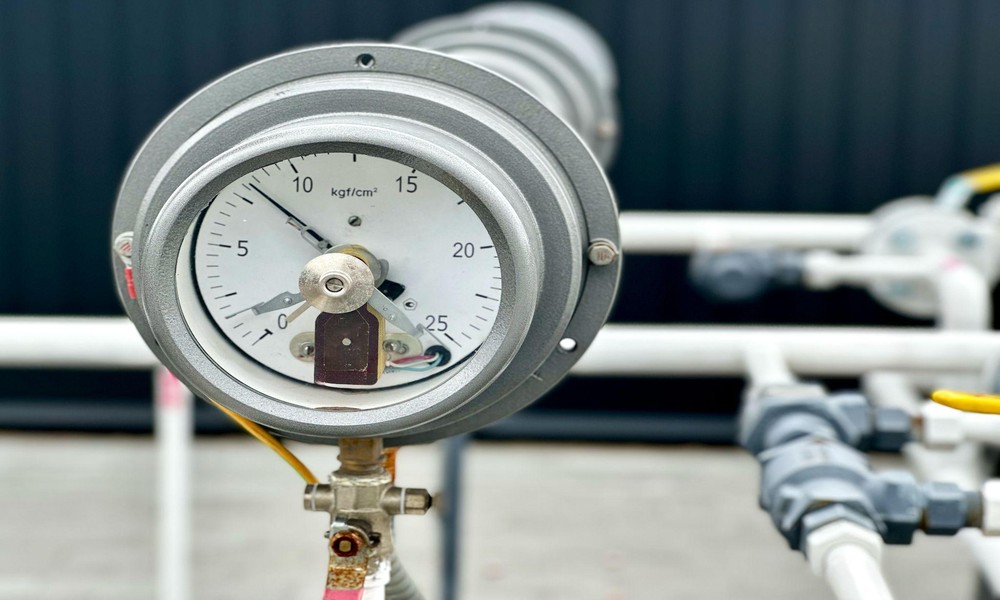
Key Takeaways
- Flow monitoring helps teams track fluid speed, volume, and distribution across pipelines.
- Device selection depends on pipe layout, fluid properties, and installation positioning.
- Pressure and acoustic sensing methods capture movement inside enclosed systems.
- Accurate monitoring data helps improve maintenance planning and resource tracking.
Introduction
Industrial pipelines carry liquids and gases through complex network systems. Keeping track of that movement requires flow meters that help teams understand how fluids travel, where changes occur, and when adjustments may be needed. Engineers and technicians frequently work with a trusted flow meter supplier when selecting devices that match pipe layout, fluid type, and monitoring goals.
Understanding Fluid Movement Monitoring
Tracking Motion Inside Pipelines
Working within enclosed pipe networks requires tools that measure fluid speed, direction, and volume. Within these systems, flow meters capture movement by reacting to pressure shifts, acoustic signals, or temperature variation. Data gathered from these sensing methods helps operators track flow consistency and detect irregular movement during routine operations.
Teams frequently rely on a trusted flow meter supplier to recommend monitoring solutions that suit pipeline material, fluid properties, and mounting positions. Guidance focuses on selecting equipment that suits operating conditions while remaining easy to maintain.
Translating Movement Into Readable Data
Watching numbers appear on monitoring panels may look simple, yet several processes occur inside the monitoring system. Sensors first capture movement changes before converting them into digital signals. Many flow meters then process this information internally to calculate velocity and volume before sending results to display panels or plant control software.
Technical assistance provided by a flow meter supplier helps organisations understand how signals move from detection points to monitoring dashboards. Setup support reduces calibration errors while helping teams maintain consistent data across production cycles.
Measurement Techniques Used Across Industries
Pressure-Based Monitoring
Inside pipelines with steady fluid movement, pressure differences between two points help flow meters determine how quickly liquids or gases move. Pressure sensors detect changes as fluid passes through narrowed sections of piping. Readings gathered from these sensors help operators evaluate pipeline efficiency during routine operations.
Planning installation often involves working with a flow meter supplier who understands pipe structure and flow behaviour. Recommendations typically include selecting suitable pressure sensing equipment. They also involve confirming correct positioning along the pipeline.
Sound-Based Detection
Acoustic monitoring techniques rely on sound waves travelling through fluids to track movement. Ultrasonic signals pass across pipelines, measuring how fluid speed influences wave travel time. Acoustic sensing remains useful when direct contact with fluid is unsuitable or restricted.
Professional consultation from specialist equipment vendors helps technicians align sound sensors correctly along pipe walls. Accurate positioning prevents signal interference while maintaining dependable monitoring performance.
Supporting Industrial Operations With Flow Data
Maintaining Process Stability
Production systems rely on balanced fluid delivery to maintain consistent output quality. Accurate readings gathered from monitoring instruments help operators monitor supply levels, detect irregular distribution, and manage equipment load. Observing stable flow patterns helps reduce unexpected system interruptions.
Reliable device selection helps teams monitor systems more easily without complicated checking procedures.
Assisting Maintenance Planning
Equipment wear and pipe blockages may alter fluid behaviour over time. Data collected from monitoring tools helps technicians identify unusual movement patterns before operational disruptions occur. Maintenance teams use flow data to schedule inspections and reduce downtime during production shifts.
Monitoring consistency across pipeline systems allows engineers to compare performance trends. It also helps identify slow performance changes during routine equipment checks.
Practical Benefits of Selecting Suitable Monitoring Equipment
Improving Resource Tracking
Tracking resource usage becomes easier when monitoring tools provide clear fluid movement records. Operational teams review consumption trends and maintain organised supply control using data gathered across pipeline systems. Clear readings generated by installed monitoring setups help departments track usage across different production stages.
Supporting Safety and Compliance Checks
Monitoring fluid movement helps safety teams detect abnormal pressure or flow behaviour linked to leaks or system faults. During regulatory reviews and workplace safety audits, teams may consult equipment specialists to clarify monitoring results, equipment capabilities, and reporting requirements. Keeping data organised helps organisations maintain structured compliance documentation.
Conclusion
Monitoring fluid behaviour inside pipelines requires understanding sensor readings, installation layout, and signal interpretation. Understanding sensing methods, installation positioning, and signal interpretation helps teams maintain organised monitoring routines across industrial systems. Choosing suitable monitoring tools and consulting experienced professionals supports safe and consistent production environments.
Contact Ansac Technology today to explore monitoring solutions that align with your pipeline requirements and help maintain dependable fluid monitoring across your operations.
