

Key Takeaways
- Parking areas can generate energy while still serving daily vehicle use without disruption.
- Solar carport setups provide shade and power, making each parking space more useful.
- Solar power roof tiles help expand energy output beyond limited rooftop space.
- Flexible layouts let companies scale systems gradually as energy needs increase.
Introduction
Across business sites, vehicle areas sit unused for long hours, yet they can serve a second purpose without affecting how they are used. Organisations now treat these open sections as part of their energy setup, not just a place to park cars. By pairing canopies with solar power roof tiles, companies convert unused ground into a useful feature that contributes to daily energy needs. The change comes from a clear aim: use existing space and keep operations simple.
Making Use of Existing Space
Turning Parking Into Productive Areas
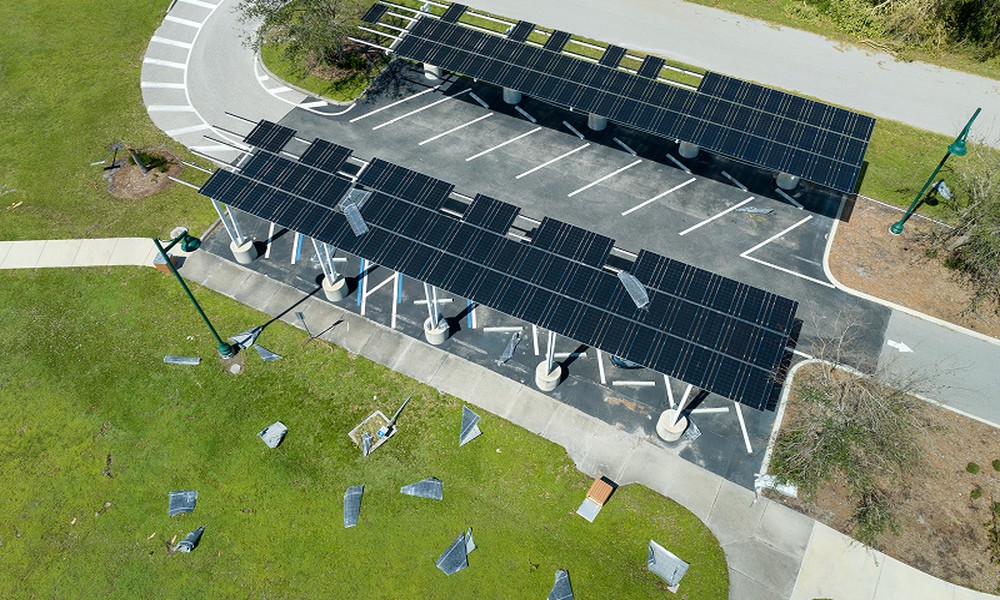
Large vehicle zones cover wide surfaces, and leaving them inactive wastes potential. Adding a solar carport puts that footprint to work by generating electricity while keeping access unchanged. Vehicles remain in place, and panels operate overhead, so the area serves two roles at once without disrupting movement.
Reducing Dependence on Rooftops
Building tops can fill up quickly with equipment, limiting room for extra panels. Extending generation to ground-level canopies spreads capacity and avoids crowding. Where sites already use solar power roof tiles, carports add another source of capture without placing all demand on one section.
Improving Daily Operations
Providing Covered Parking
Shade changes the experience for drivers. Interiors stay cooler, and surfaces are easier to handle after long exposure to sun. Delivering this cover as part of the same installation, a solar carport removes the need for separate structures to manage heat.
Supporting EV Charging Setups
Charging points fit naturally where vehicles already stop. With solar power roof tiles placed overhead, production connects directly to usage in one location. Daytime generation can feed charging bays directly, keeping the setup straightforward and easier to manage across busy hours.
Managing Costs and Output
Predictable Energy Generation
Power production follows daylight patterns, which makes output easier to anticipate. Open vehicle areas receive consistent exposure during the day, giving operators a clearer view of expected yield. In an unobstructed zone, a solar carport benefits from minimal shading, which keeps generation reliable.
Keeping Installation Practical
Working above ground-level rows avoids major changes to existing buildings. Installation takes place in open areas, which reduces disruption to daily activity. Alongside carports, solar power roof tiles can be used across different sections, letting work spread out without affecting indoor operations.
Adapting to Changing Needs
Flexible Layout Options
Layouts vary from site to site, and canopy designs can match those patterns without major redesign. Panel rows can follow existing markings, keeping traffic flow clear and organised. Adding a solar carport becomes easier with this flexibility while keeping the site functional.
Planning for Future Expansion
Energy demand can rise as operations grow. Open vehicle areas provide room to extend capacity in stages, adding more rows when needed. On nearby buildings, solar power roof tiles can work with these additions, forming a system that develops over time without major changes.
Conclusion
Using vehicle areas for energy generation adds value without changing how the space works. Covered bays improve comfort, while overhead panels contribute to daily power use. The same setup helps companies use space more efficiently while keeping operations simple and organised. With careful placement and planning, these systems fit into existing sites without disrupting daily activity.
Contact LHN Energy today to explore how a solar carport setup can fit into your space and keep your energy use running smoothly.
