

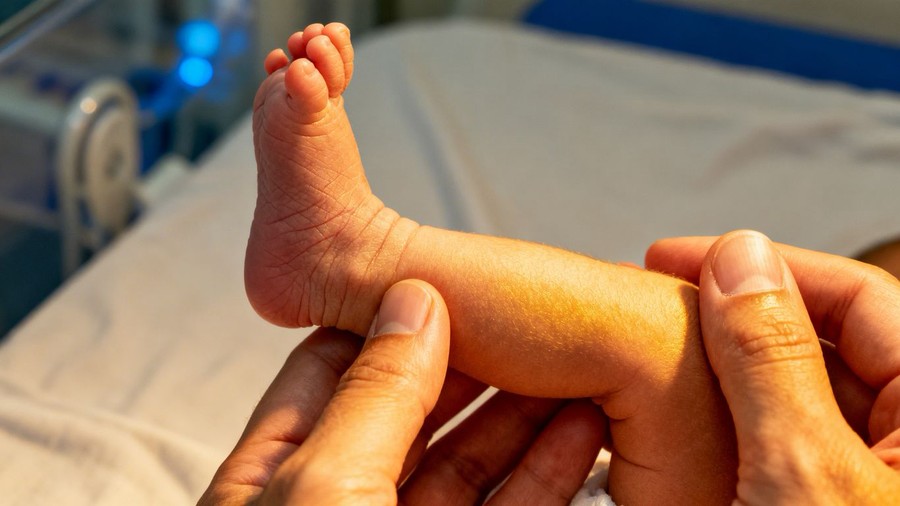
Defining Erb’s Palsy and Related Birth Trauma
Erb’s palsy is a specific type of brachial plexus injury that affects newborns. It happens when the network of nerves running from the spinal cord to the shoulder, arm, and hand gets damaged during birth. This damage can lead to weakness or paralysis in the affected arm, and sometimes the entire arm. It’s not a condition that develops after birth; it’s directly related to the delivery process itself. While some birth complications can occur even with the best medical care, Erb’s palsy is often linked to situations where the baby experienced excessive pulling or stretching during delivery, particularly in cases of shoulder dystocia. This means that, in many instances, it’s a preventable injury. Understanding the mechanics of how these injuries occur is the first step in recognizing when medical care might have fallen below the expected standard. The consequences for a child and their family can be profound, impacting daily life for years to come. medical negligence during childbirth can manifest in various ways, some of which cause lifelong complications.
Identifying Signs of Medical Negligence During Delivery
Recognizing potential medical negligence during childbirth requires paying attention to specific warning signs. While every birth has its challenges, certain events or actions during labor and delivery can indicate that something went wrong due to a lack of proper care. These signs don’t automatically mean negligence occurred, but they warrant closer examination. Some key indicators include:
- Delayed response to fetal distress: This could involve not acting quickly enough when monitoring shows the baby is in trouble, such as a drop in heart rate.
- Improper use of delivery instruments: Forceps or vacuum extractors, if used incorrectly or with excessive force, can cause significant harm to the baby.
- Failure to recommend or perform a timely Cesarean section: In situations where a vaginal birth poses too high a risk, such as with a breech presentation or severe shoulder dystocia, a C-section might be medically necessary. Delaying this can be a critical error.
- Excessive force or traction during delivery: When a baby gets stuck, like in shoulder dystocia, the way medical staff pulls or maneuvers the baby can directly cause nerve damage.
If any of these situations occurred during a delivery, it’s important to consider whether the medical team followed the accepted standard of care. medical negligence can lead to serious birth injuries.
The Distinction Between Complications and Preventable Errors
It’s important to draw a clear line between a birth complication that arises despite appropriate medical management and an injury that results from a preventable error. Complications are unforeseen events or conditions that can occur during pregnancy or delivery, even when healthcare providers act competently. Examples might include a sudden placental issue or an unexpected fetal position change. However, a preventable error occurs when the medical team fails to meet the expected standard of care, and this failure directly leads to harm. For instance, failing to properly monitor fetal heart rate, not recognizing the signs of shoulder dystocia, or using improper techniques during delivery are considered errors. The key difference lies in whether the outcome was unavoidable or a direct result of substandard medical practice. Understanding this distinction is vital when evaluating whether a birth injury, like Erb’s palsy, could have been prevented with different medical decisions or actions.
The Financial Burden of Erb’s Palsy on Healthcare Systems
When a birth injury like Erb’s palsy occurs due to preventable medical errors, the financial impact on healthcare systems can be substantial and long-lasting. These costs extend far beyond the initial treatment, encompassing a lifetime of care and support for the affected child.
Calculating Long-Term Care Costs for Lifelong Disabilities
Children diagnosed with Erb’s palsy often require ongoing medical attention, therapies, and specialized equipment throughout their lives. This can include:
- Physical and occupational therapy sessions multiple times a week.
- Adaptive devices such as braces, splints, or specialized computer equipment.
- Potential surgical interventions to improve function.
- Home modifications to accommodate mobility challenges.
The cumulative cost of this lifelong care can easily run into millions of dollars per individual. This significant financial obligation places a considerable strain on healthcare resources and insurance providers.
The Role of Life Care Planners and Forensic Economists
To accurately assess the full financial scope of Erb’s palsy, legal and medical professionals often rely on specialized experts. Life care planners develop detailed reports outlining every anticipated medical need and associated cost for the child over their expected lifespan. These plans consider:
- Future medical treatments and therapies.
- Assistive technology and equipment.
- Educational support and vocational training.
- Personal care and attendant services.
Forensic economists then take these life care plans and translate them into monetary figures, calculating both past and future economic losses. They also assess potential lost earning capacity if the injury impacts the individual’s ability to work later in life.
Quantifying Economic and Non-Economic Damages
When legal claims arise from birth injuries, damages are typically categorized into two main types:
- Economic Damages: These are quantifiable financial losses directly resulting from the injury. They include past and future medical bills, rehabilitation costs, therapy expenses, and lost income. For conditions requiring lifelong care, these economic damages represent the largest portion of the claim.
- Non-Economic Damages: These cover less tangible losses, such as pain and suffering experienced by the child and their family, emotional distress, and loss of enjoyment of life. While harder to put a precise dollar amount on, these damages are a significant component of any birth injury claim, reflecting the profound impact on the quality of life.
Legal Ramifications and Hospital Liability
Navigating Statutes of Limitations for Birth Injury Claims
The legal timeline for bringing a birth injury claim can be complex, especially when the affected party is a minor. In many places, the clock doesn’t start ticking on the statute of limitations until the child reaches a certain age, like 18. This is because the full impact of a birth injury, like Erb’s Palsy, might not be clear for years. It gives families more time to understand the long-term needs and costs involved before they have to file a lawsuit. It’s a bit like waiting for a plant to fully grow before you can really see its shape.
Establishing Hospital Negligence Beyond Physician Errors
It’s not just the doctor who can be held responsible if something goes wrong during birth. Hospitals themselves have duties. Think about the nurses monitoring the mother and baby, or the staff managing the delivery room. If they miss signs of distress, don’t follow proper procedures, or fail to communicate critical information, the hospital could be liable. This means a claim might involve more than just the actions of one physician; it can look at the entire system of care. It’s about looking at all the moving parts, not just the main actor.
The Importance of Expert Medical Testimony in Litigation
When a birth injury case goes to court, proving what happened and who is at fault requires specialized knowledge. This is where medical experts come in. They review all the records – prenatal care, delivery notes, fetal monitoring strips – and provide opinions on whether the standard of care was met. Their testimony helps the judge or jury understand the complex medical details. Without these experts, it’s very hard to show that a preventable error occurred and that it directly caused the injury. It’s like needing a translator for a foreign language; you need an expert to make sense of the medical evidence.
Investigating Birth Injury Claims: A Medical-Legal Approach
Forensic Review of Prenatal and Delivery Records
When a birth injury occurs, a thorough examination of all medical documentation is the first step in understanding what happened. This isn’t just a quick look; it’s a deep dive into every note, every test result, and every observation made before, during, and immediately after delivery. The goal is to piece together the timeline of care and identify any deviations from what is considered standard practice. This involves scrutinizing prenatal records for any missed warning signs or inadequate management of maternal conditions that could affect the baby. Delivery records, including labor and delivery flow sheets, are equally important. These documents detail the progression of labor, interventions used, and the responses of both mother and baby. The meticulous review of these records by medical-legal professionals can reveal critical details about the care provided.
Analyzing Fetal Monitoring Strips for Distress Indicators
Fetal monitoring strips are a key piece of evidence in birth injury cases. These strips provide a continuous record of the baby’s heart rate and the mother’s contractions. Medical professionals are trained to interpret these strips to detect signs of fetal distress, such as abnormal heart rate patterns. When a baby experiences distress, prompt and appropriate action is required. An analysis of these strips can show whether distress was present, how long it lasted, and whether the medical team responded in a timely and adequate manner. Sometimes, the strips might show clear signs of trouble that were overlooked or not acted upon quickly enough. This analysis is often central to determining if negligence played a role in the injury.
The Process of Building a Case for Families
Building a strong case for families affected by birth injuries is a multi-faceted process that combines medical knowledge with legal strategy. It typically involves several key stages:
- Initial Consultation and Record Gathering: The process begins with a confidential discussion with the family to understand their concerns. Following this, all relevant medical records are requested from the healthcare providers involved.
- Medical Record Review: A team, often including nurses or other medical professionals, conducts a detailed review of all gathered records. This includes prenatal care, labor and delivery documentation, and any postpartum records for both mother and child.
- Expert Consultation: If the initial review suggests a potential deviation from the standard of care, medical experts in relevant fields (e.g., obstetrics, neonatology) are consulted. These experts provide opinions on whether negligence occurred and if it caused the injury.
- Legal Strategy Development: Based on the medical findings and expert opinions, legal counsel develops a case strategy. This involves identifying all potentially liable parties and preparing the necessary legal filings.
- Litigation and Resolution: The case proceeds through the legal system, which may involve negotiations, mediation, or a trial. The aim is to secure fair compensation for the child’s past and future needs.
Mitigating Risks and Ensuring Safer Birth Outcomes
Preventing birth injuries like Erb’s palsy requires a proactive approach from healthcare facilities. It’s not just about reacting to problems but about building systems that minimize the chance of harm in the first place. This involves a close look at staffing, preparedness, and a constant focus on patient safety.
The Impact of Staffing Levels on Standard of Care
Adequate staffing is more than just having enough people on duty; it’s about having the right number of skilled professionals available to manage the complexities of labor and delivery. When hospitals are understaffed, especially during busy periods, the quality of care can suffer. This can lead to delays in responding to fetal distress, improper use of delivery instruments, or a failure to recognize critical signs. A consistent and appropriate standard of care is difficult to maintain when staff are stretched too thin. This directly impacts the likelihood of preventable birth injuries occurring.
Proactive Measures for Summer Delivery Preparedness
Summer months can sometimes see an increase in birth rates, placing additional strain on hospital resources. Hospitals need to anticipate these fluctuations. This means having contingency plans in place, such as:
- Ensuring sufficient on-call staff for potential surges.
- Cross-training nurses and physicians to handle a wider range of situations.
- Regularly reviewing and updating emergency protocols for common delivery complications.
Being prepared helps prevent situations where a busy environment leads to rushed decisions or missed warning signs, which can contribute to injuries like brachial plexus injuries.
Advocating for Patient Safety Through Vigilance
Ultimately, patient safety relies on a culture of vigilance. This means encouraging open communication among the medical team, where concerns are voiced and addressed without hesitation. It also involves empowering families to ask questions and voice their own observations. When every member of the care team, including the parents, is actively involved in monitoring the situation, the chances of identifying and correcting potential problems before they lead to harm are significantly increased. This watchful approach is key to reducing the incidence of birth trauma.
The Economic Impact of Erb’s Palsy Settlement Costs for Hospitals
When a birth injury like Erb’s palsy occurs due to medical mistakes, the financial fallout for hospitals can be substantial. These aren’t just small sums; we’re talking about costs that can significantly affect a hospital’s bottom line. Settlements and verdicts in these cases are often driven by the lifelong care needs of the affected child.
Assessing the Financial Repercussions of Malpractice Claims
Malpractice claims stemming from birth injuries, particularly those leading to conditions like Erb’s palsy, carry immense financial weight. The costs associated with these claims go far beyond immediate medical expenses. They encompass a wide spectrum of long-term needs that must be accounted for.
- Lifelong Care Needs: Children with Erb’s palsy often require ongoing therapy, specialized equipment, and home modifications. These expenses can accumulate over decades, reaching millions of dollars.
- Lost Earning Capacity: The injury can impact the child’s ability to earn a living in the future, a factor that is carefully calculated in legal settlements.
- Non-Economic Damages: Compensation for pain, suffering, and loss of enjoyment of life is also a significant component of these claims.
The financial repercussions are not just about compensating the injured party; they serve as a stark reminder of the importance of maintaining high standards of care. For instance, a £3 million settlement was secured from a Doncaster hospital for a child with cerebral palsy, illustrating the scale of potential payouts [b689].
The Influence of Verdicts and Settlements on Hospital Margins
Hospitals operate on tight margins, and large malpractice payouts can create serious financial strain. A single high-value settlement or verdict can divert significant resources that might otherwise be used for patient care, staff development, or facility upgrades. The unpredictability of litigation outcomes adds another layer of financial risk. Hospitals must also consider the indirect costs, such as increased insurance premiums and reputational damage, which can further impact their financial health.
Strategies for Reducing Preventable Birth Injury Incidents
To mitigate the economic impact of these claims, hospitals must focus on preventing birth injuries in the first place. This involves a multi-faceted approach:
- Rigorous Staff Training: Continuous education on best practices for labor and delivery, including recognizing and responding to fetal distress.
- Adherence to Protocols: Strict implementation of guidelines for fetal monitoring, C-section timing, and the use of delivery instruments.
- Investment in Technology: Utilizing up-to-date fetal monitoring systems and other medical technologies that can aid in early detection and intervention.
- Open Communication: Fostering an environment where staff feel comfortable reporting concerns and near misses, allowing for proactive problem-solving.
By prioritizing patient safety and investing in preventative measures, hospitals can not only protect vulnerable infants but also safeguard their own financial stability.
