

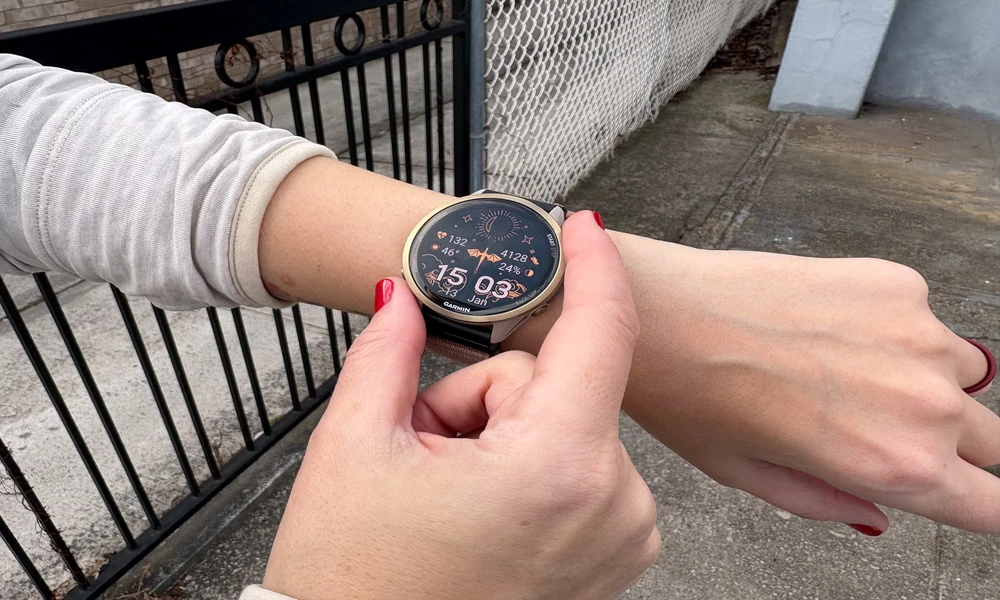
A perfect running route mapped with pinpoint accuracy sounds like a luxury until your GPS watch glitches in the middle of a downtown skyscraper maze or under a dense forest canopy. For runners who care about genuinely tracking their progress, multi-band GPS technology has emerged as the difference between guesswork and precision.
Why GPS Accuracy Matters for Runners in Urban and Trail Settings
Every stride counts, whether you are pacing through city streets or winding along wooded trails. Runners rely on their watches not only for basic stats like distance and pace but also for nuanced feedback that shapes training and race day performance. Yet, the environment itself can sabotage the data you depend on.
Challenges of GPS Tracking in Dense Urban Environments
Tall buildings create what experts call the “urban canyon” effect. GPS signals bounce between glass and concrete, leading to positional errors that can make your mapped route zigzag wildly, shaving hundreds of meters off your run or misreporting split times. This isn’t just a big-city problem, major Canadian downtowns like Toronto and Vancouver are notorious for it.
Obstacles Faced on Tree-Covered Trails and Remote Areas
Similarly, in forested or mountainous regions, thick foliage and terrain block satellite signals. On rugged trails, a standard GPS signal might paint you as running straight through lakes or over cliffs when, in reality, you navigated switchbacks and steep climbs.
The Limitations of Single-Band GPS Technology
Early-generation GPS watches typically rely on a single frequency to connect with satellites. This is fine when signals travel unobstructed, but in the real world, perfect conditions are rare.
How Signal Interference and Reflection Skew Data
Signal reflection, called “multipath error,” happens when GPS signals bounce off buildings, rocks, or even water before hitting your watch. Single-band receivers have a tough time sorting out these mixed-up signals, leading to erratic tracking.
Common Issues: Route Shortcuts and Pace Inconsistencies
You might notice your GPS cutting corners on sharp turns, lagging behind as you accelerate, or misreporting pace during sprints and climbs. For competitive runners, these inaccuracies can disrupt interval training, pacing strategies, and even your confidence in the data.
Multi-Band GPS: The Game-Changer for Precision
Recent advances in GPS chipsets have brought multi-band (also called dual-frequency) reception to the forefront. This technology listens to two separate frequency bands from satellites, giving your watch a more reliable fix in challenging conditions.
Understanding Dual-Frequency Signal Reception
With two signals to compare, a multi-band GPS can filter out distorted or delayed data, homing in on your true location. The result is a significant drop in measurement errors, especially in environments where single-band units falter.
How Multi-Band GPS Overcomes Urban Canyon and Dense Foliage Issues
Dual-frequency reception is particularly effective at “seeing through” interference caused by buildings and tree cover. The improved accuracy not only captures every twist and turn but also delivers more reliable pace and elevation data.
Real-World Impact of Multi-Band GPS on Running Performance
The difference is not just theoretical. Runners using multi-band GPS report consistently cleaner maps and more trust in their numbers.
Improved Route Accuracy and Distance Measurement
From marathoners training on urban loops to trail runners logging remote adventures, route errors drop dramatically. Over a 10-kilometer run, this can mean the difference between an accurate PR and a run that’s hundreds of meters off.
Enhanced Pace and Split Time Reliability
Multi-band GPS provides steadier pace readings, which is critical for interval workouts or race pacing. Your watch reacts faster to changes in speed and delivers splits you can actually trust.
Case Studies: From Downtown Toronto to Forested Trails
Consider the difference between running through the Financial District in Toronto with single-band versus multi-band tracking. The former often shows routes darting through buildings, while the latter hugs the sidewalks faithfully. Trail runners in British Columbia have seen similar gains when cresting hills and winding through heavy woods.
Choosing the Right GPS-Enabled Watch for Your Running Needs
Multi-band GPS is not the only feature that matters, but for most runners who value reliable tracking, it should be near the top of the list.
Key Features Beyond GPS: Battery Life, Durability, and Display
Long battery life is a must for trail ultras or multi-day hikes, while AMOLED or monochrome displays affect both readability and battery drain. Durability also matters, especially for outdoor use in tough weather.
Garmin’s Multi-Band Offerings and Their Price Tiers
Garmin leads the way, with multi-band GPS appearing in midrange and high-end models. Watches like the Forerunner 265 bring dual-frequency tracking at moderate prices, while flagship Fenix and Forerunner models add advanced performance metrics, mapping, and extended durability. For a full breakdown of options and current promotions, checking GSM Depot Garmin watches can help you compare the best choices for your budget.
How to Balance Budget with GPS Accuracy and Additional Features
If you mostly run in open areas, single-band may suffice. But if your routes regularly cross urban cores or wild terrain, multi-band is worth the investment. Entry-level models rarely include it, so prioritize based on where and how you actually run.
Practical Tips to Maximize Multi-Band GPS Benefits
Getting the most from your watch is not just about features, it is about smart use.
Optimizing Watch Settings for Urban and Trail Running
Disable unnecessary sensors to save battery, and select multi-band or “All Systems” GPS mode before environments you know are tricky. Updating firmware regularly ensures your watch gets the latest signal-handling improvements.
Best Practices for GPS Signal Acquisition and Retention
Start runs in open spaces when possible to lock satellites faster. Keep the watch on your outside wrist and avoid heavy jacket cuffs that can interfere with reception. Patience pays off, waiting an extra 10 seconds for initial signal lock can make a big difference in data quality.
Taking Action: How to Upgrade Your Running Gear Smartly
When to Invest in Multi-Band GPS Technology
If your running ambitions grow, or your routes become more complex, multi-band tracking becomes less of a luxury and more of a necessity.
Trusted Retailers and Timing Purchases for Best Deals
Seasonal sales, especially around Black Friday or spring, offer the lowest prices on Garmin’s current and previous-generation models. Trusted local retailers and online sources ensure authenticity and warranty support.
Incorporating Multi-Band GPS Data into Training and Performance Analysis
Accurate data enhances not only your pace and distance but also sleep, recovery, and training readiness metrics. Use detailed maps to review routes, analyze splits, and refine strategies for your next PR, whether downtown or deep in the wild.
