

Key Highlights
- Pressure tanks ensure a steady and pulse-free flow of materials, which is essential for maintaining consistency in automated production lines.
- Precision dispensing valves allow for minute adjustments in fluid volume, significantly reducing material waste and improving product quality.
- Reliable dispensing systems decrease the frequency of maintenance interruptions, thereby boosting the overall throughput of manufacturing facilities.
Introduction
Precision manufacturing demands an extraordinary level of control over every variable in the production process. When dealing with adhesives, lubricants, or chemical reagents, even a minor fluctuation in flow can lead to significant product defects. To mitigate these risks, engineers rely on sophisticated fluid handling systems where the pressure tank and dispensing valves serve as the foundational components. While the tank provides the consistent force needed to move the fluid, the valves dictate the exact timing and volume of the release. Together, they enable manufacturers to meet stringent quality standards while maintaining operationally high speeds.
Ensuring Material Consistency and Stability
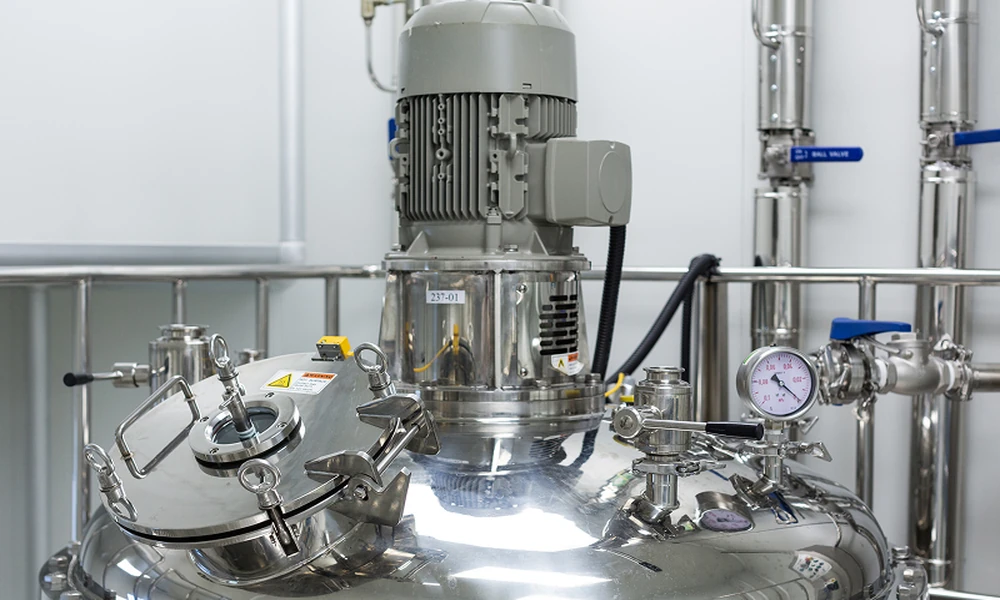
The primary function of a pressure tank in a manufacturing setup is to act as a reservoir that provides a constant, pulse-free supply of liquid to the dispensing point. Unlike mechanical pumps, which can sometimes introduce surges or fluctuations in flow, a pressurised vessel maintains a stable environment for the fluid. This stability is particularly important when working with high-viscosity materials that resist movement. By applying a uniform layer of air or gas pressure above the liquid, the tank pushes the material through the lines with absolute steadiness. This ensures that every part of the production run receives the exact same amount of material.
Furthermore, these tanks help to protect the integrity of the material being dispensed. Many industrial fluids are sensitive to atmospheric moisture or contaminants. A sealed, high-quality tank keeps the contents isolated from the external environment, preventing skinning, curing, or degradation before the fluid reaches the dispensing valves. This level of environmental control extends the shelf life of the materials and ensures that the final application meets the required chemical and physical specifications. Without a reliable pressure source, the risk of inconsistencies increases, potentially leading to the finished goods having compromised structural integrity.
The Precision of Advanced Dispensing Valves
While the tank handles the supply, the dispensing valves are responsible for the execution. These components are designed to open and close with incredible speed and precision, often handling volumes as small as a fraction of a microlitre. Modern valves are engineered to prevent common issues such as dripping, stringing, or tailing, which can occur when a valve fails to shut off cleanly. By providing a sharp cut-off, these valves ensure that the material remains exactly where it is intended to be.
The versatility of these valves also allows manufacturers to handle a diverse range of fluids with varying properties. Whether the material is a watery solvent or a thick, abrasive paste, they can select specific valve designs to manage the flow without clogging or excessive wear. Many systems now incorporate adjustable stroke controls, allowing technicians to fine-tune the dispensing volume without replacing hardware. When paired with a reliable pressure source, these valves become the decisive factor in achieving a flawless finish on every product.
Boosting Operational Throughput and Reducing Waste
The balance between speed and waste measures efficiency in a factory. The combination of a high-capacity pressure tank and accurate dispensing valves directly impacts this balance by enabling faster cycle times. Because the system is pressurised, the material is always ready to flow the instant the valve receives a signal, which eliminates the lag time associated with some pumping systems. When every second saved per part is multiplied by thousands of units, the cumulative gain in productivity is substantial.
In addition to speed, reducing material waste provides a significant economic advantage. Industrial fluids, especially specialised resins and medical-grade adhesives, can be extremely expensive. Precision valves ensure that only the necessary amount of fluid is used, while the steady pressure from the tank prevents under-dispensing that would result in rejected parts. By tightening the dispensing process’s tolerances, manufacturers can achieve a higher yield from their raw materials, directly improving the profitability of the entire production line.
Safety and Durability in Industrial Environments
Safety is a crucial concern whenever high pressures and chemical materials are involved in a workspace. High-quality pressure tanks are built to withstand significant internal forces and have safety relief valves and certified pressure gauges. These features ensure that the system operates within its designed limits, protecting workers from the risks associated with vessel failure or accidental over-pressurisation. Moreover, using a closed system to move fluids reduces employees’ exposure to potentially harmful vapours or skin irritants, contributing to a healthier and more compliant working environment.
Durability also plays a key role in the long-term cost of ownership for fluid dispensing equipment. If the dispensing valves or the tank are made from inferior materials, they will quickly succumb to chemical corrosion or mechanical fatigue. Opting for components made from stainless steel or specialised polymers ensures that the system can handle aggressive chemicals without degrading. A robust system that requires minimal intervention allows engineers to focus on improving other areas of the production process.
Conclusion
The success of precision manufacturing hinges on the reliability of the tools used on the factory floor. The synergy between a robust pressure tank and high-performance dispensing valves provides the control, consistency, and speed necessary to compete in today’s demanding global market. By investing in high-quality fluid control components, manufacturers can protect their materials, reduce unnecessary waste, and ensure the safety of their personnel. As technology continues to advance, the need for greater accuracy will only grow, making these fundamental components more vital than ever before. Choosing the right system is an investment in the quality of the final product and the efficiency of the entire operation.
Contact Unicontrols to enhance the accuracy and efficiency of your production line.
