

Key Takeaways
- Verifying the quality standards and certifications of a fuel provider prevents long-term engine damage and regulatory fines.
- Maintaining a contingency plan for fuel shortages ensures that critical operations never face unexpected downtime.
- Transparent pricing and detailed delivery logs are essential for effective budget management and auditing.
Introduction
Managing the fuel requirements of a large-scale operation is a complex task that leaves very little room for error. Whether you are overseeing a shipping fleet or a manufacturing plant, the reliability of your energy source is the foundation of your productivity. Choosing a reputable bunker oil supplier is a decision that affects not only your daily operations but also your long-term maintenance costs. A poor choice in a provider can lead to contaminated fuel, delivery delays, and potentially catastrophic equipment failure. To ensure your facility remains functional under all conditions, you must adopt a rigorous approach to fuel procurement and storage management.
Do Prioritise Quality and Compliance
When evaluating a potential partner, your first priority must be the quality of the product they deliver. You should always demand proof of compliance with international standards such as ISO 8217. A professional bunker oil supplier will be transparent about their sourcing and provide regular laboratory test results. Additionally, you should ensure that they have a robust logistics network capable of meeting your schedule even during peak demand. Establishing a long-term relationship with a supplier who understands your specific volume requirements will lead to better service and more reliable delivery windows, which is crucial for maintaining a steady workflow.
Don’t Rely on Single Sources
One of the most significant risks in fuel management is over-reliance on a single delivery channel without a backup plan. You should never assume that your primary supply will be available during a regional shortage or a logistical crisis. Failing to secure a secondary source for emergency diesel can leave your facility vulnerable during a power outage or a supply chain disruption. Diversifying your procurement strategy ensures that you have multiple avenues to keep your generators and machinery running when the primary grid or supply fails. This redundancy is not a luxury but a fundamental requirement for any mission-critical operation.
Do Monitor Specifications and Emissions
In the current regulatory environment, the chemical composition of your fuel is just as important as its availability. For many modern engines and generators, using low-sulphur options like 10 ppm (parts per million) diesel is a requirement to meet environmental standards and protect delicate components. You must ensure that your provider can guarantee these specific grades consistently. Regular monitoring of your fuel inventory will help you identify any degradation over time, especially if the fuel is stored for long periods. Keeping detailed records of these specifications will also simplify your compliance reporting during environmental audits.
Don’t Ignore Storage Maintenance
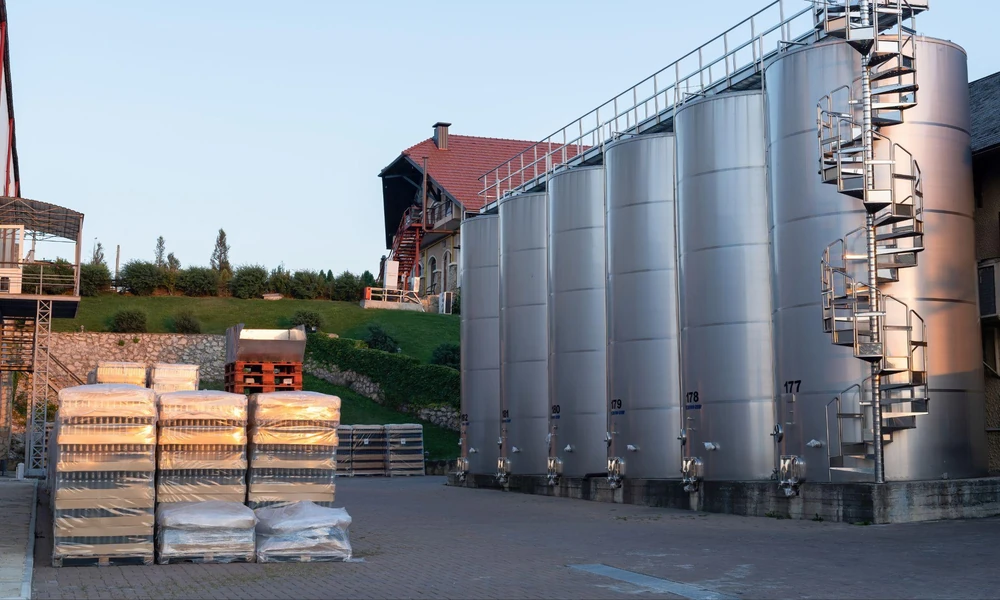
Many organisations make the mistake of focusing solely on the delivery and ignoring what happens once the fuel is in their tanks. You should not allow your storage facilities to go uninspected for long periods, as moisture and contaminants can accumulate quickly. This is particularly dangerous for emergency diesel stocks that may sit idle for months. If you ignore the health of your fuel tanks, you risk pumping sludge into your equipment the moment you need it most. Implementing a regular testing and filtration schedule will keep your backup supply in peak condition, ensuring it is ready for immediate use during an unforeseen crisis.
Conclusion
Successful fuel management requires a proactive approach that balances cost, quality, of using 10 ppm, and reliability. By following these dos and don’ts when selecting a bunker oil supplier, you can safeguard your equipment and ensure the continuity of your business operations. Always prioritise quality and have a clear plan for unexpected shortages to maintain a competitive edge. A well-managed fuel strategy is an investment in the resilience and longevity of your entire industrial infrastructure.
Contact Vegatron to secure a reliable fuel supply for your operations today.
