

People tend to associate allergies with three main allergens which are dust and pollen and pet hair. People usually miss this particular common allergen which is mould. Mould grows silently in residential and commercial areas which results in poor indoor air quality and leads to serious health hazards. Most people do not understand the strong connection between Mould and Allergies which leads to continual discomfort and results in health issues that last for an extended period.
Mould could be the hidden reason if you have been experiencing excessive sneezing and ongoing nasal blockage and you detect a musty odor in your residence. The understanding of mould health effects together with the need for Professional Mould Remediation should direct you to design a secure and healthy home environment.
What Is Mould and Why Does It Grow Indoors?
Mould is a type of fungus that grows in damp, humid, and poorly ventilated areas. It spreads through tiny spores that float in the air. These spores are invisible to the naked eye and can easily settle on walls, ceilings, carpets, and furniture.
Indoor mould growth often happens because of:
- Water leaks from roofs, pipes, or windows
- Flooding or water damage
- High indoor humidity
- Poor ventilation in bathrooms and kitchens
- Damp basements or crawl spaces
Once mould begins to grow, it can spread quickly if the moisture problem is not fixed. Even small patches can release thousands of spores into the air.
The Link Between Mould and Allergies
The relationship between Mould and Allergies is well documented. When mould spores become airborne, they are easily inhaled. For people who are sensitive or allergic, this can trigger uncomfortable symptoms.
Common allergy symptoms caused by mould exposure include:
- Sneezing
- Runny or blocked nose
- Itchy or watery eyes
- Skin irritation
- Coughing
- Wheezing
Some individuals may also experience headaches or increased fatigue. People with asthma often notice that their condition worsens in environments where mould is present.
Children, elderly individuals, and those with weakened immune systems are especially vulnerable. In homes where mould is left untreated, allergy symptoms may persist throughout the year instead of appearing only during certain seasons.
Signs You May Have a Mould Problem
Sometimes mould is easy to spot, but other times it hides behind walls or under flooring. There are warning signs that suggest you may need to investigate further.
Look for:
- Persistent musty odours
- Dark or discolored patches on walls or ceilings
- Peeling paint or wallpaper
- Water stains
- Ongoing allergy symptoms that improve when you leave the building
If your symptoms lessen when you are outside or in a different environment, indoor mould may be the cause.
Why DIY Cleaning Is Not Enough
Many people try to handle mould with household cleaners. While surface cleaning may remove visible stains, it rarely solves the underlying issue. Mould roots can penetrate porous materials such as drywall, wood, and insulation. Simply wiping the surface does not eliminate hidden growth.
In addition, disturbing mould without proper protection can release more spores into the air, making allergy symptoms worse. Without identifying and correcting the moisture source, mould is likely to return.
This is where Professional Mould Remediation becomes essential.
What Is Professional Mould Remediation?
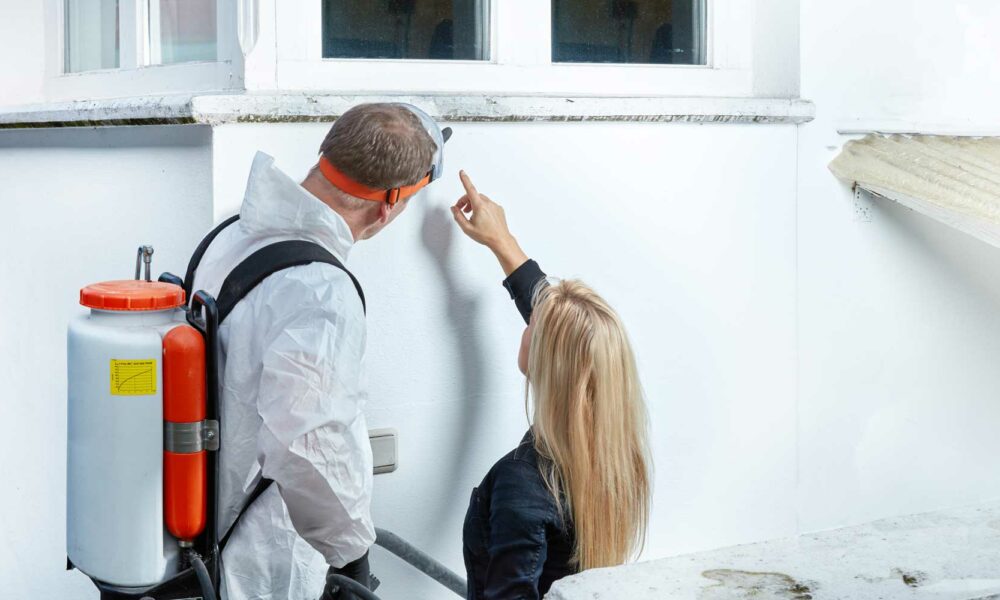
Professional Mould Remediation is a structured process designed to safely remove mould and prevent it from coming back. It goes beyond surface cleaning and addresses the root cause of the problem.
A typical remediation process includes:
Inspection and Assessment
Experts examine the property to identify affected areas and determine the source of moisture.
Containment
The contaminated area is sealed off to prevent spores from spreading to other parts of the building.
Air Filtration
Special equipment is used to capture airborne spores and improve indoor air quality.
Safe Removal of Damaged Materials
Heavily affected materials such as drywall or insulation may need to be removed and replaced.
Cleaning and Sanitizing
Surfaces are treated with professional-grade products to eliminate remaining mould.
Moisture Control Solutions
The source of dampness is repaired to prevent future growth.
This careful and controlled approach ensures that mould is removed properly and safely.
Health Benefits of Proper Remediation
Removing mould from your home can bring noticeable improvements to your health. Many people report fewer allergy symptoms, easier breathing as well as better sleep after remediation is completed.
Improved indoor air quality also creates a healthier environment for children and pets. By addressing the connection between Mould and Allergies, you reduce daily exposure to irritants that can affect your immune system.
For individuals with asthma or chronic respiratory conditions, professional treatment can significantly lower the risk of flare-ups.
Protecting Your Property and Investment
Mould does not only affect health; it can also damage property. Over time, mould can weaken wooden structures, stain walls, and ruin flooring. If left untreated, it may lead to expensive repairs.
Professional Mould Remediation helps protect your home’s value. By resolving the issue early, you avoid structural damage and potential complications when selling or renting the property.
Insurance claims related to water damage are also easier to manage when remediation is handled correctly and documented by professionals.
Preventing Future Mould Growth
After remediation, prevention is key. Simple steps can help keep mould from returning:
- Fix leaks promptly
- Use exhaust fans in bathrooms and kitchens
- Keep indoor humidity below recommended levels
- Improve airflow in damp areas
- Clean and dry water spills quickly
Regular inspections, especially after heavy rain or plumbing issues, can help you detect problems early.
When to Call for Professional Help
You should consider Professional Mould Remediation if:
- The affected area is large
- Mould keeps returning after cleaning
- You notice strong, persistent odours
- Allergy symptoms continue without clear cause
- There has been significant water damage
Delaying action can allow mould to spread deeper into building materials and worsen health concerns.
Final Thoughts
Mould creates an unwanted aesthetic problem which extends beyond its function as a wall stain. The connection between Mould and Allergies shows how indoor air quality directly affects daily health and comfort. The problem requires attention because it will cause ongoing health problems and damage to the property.
Professional Mould Remediation delivers complete mould removal services which safeguard your premises. The process begins with source identification and follows through with proper contamination removal until the space achieves complete restoration and you regain your tranquillity.
Homeowners should take immediate action to eliminate potential mould problems because this decision protects their health and family members and their property.
