

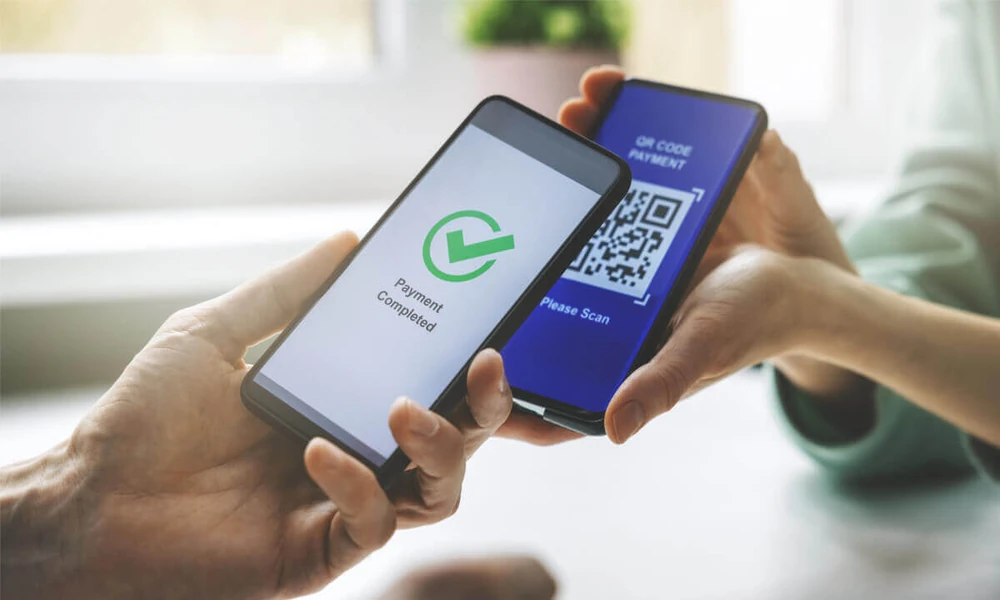
Small merchants are increasingly using digital payment methods to make transactions more convenient for customers and easier to track. From neighbourhood stores and food outlets to service providers and local retailers, businesses can use QR codes to accept payments without depending entirely on cash.
A QR Payment allows a customer to scan a displayed code using a compatible payment application and complete a transaction digitally. For merchants, this can provide a practical way to receive payments while maintaining electronic transaction records. QR-based payments have also become part of the wider digital payment ecosystem in India, with UPI supporting QR-based merchant transactions.
For small businesses, the value of QR payments goes beyond convenience. They can support faster collections, reduce the need to handle cash, simplify transaction tracking, and give customers another way to pay.
What Are QR-Based Payments?
QR stands for Quick Response. A QR code can store payment-related information that a compatible application can read when scanned.
For a merchant, a QR code can be displayed at the checkout counter, on a stand, at a service location, or in another visible place. Customers can scan the code, enter or confirm the required amount, and complete the payment through their selected payment method.
UPI supports both static and dynamic QR arrangements for offline merchants. NPCI guidelines also emphasize standardized QR presentation to help customers identify the payment system and support interoperability.
Why Small Merchants Are Adopting QR Payments
Small merchants often operate with limited staff and resources. A payment method that is straightforward for customers and employees can make everyday transactions easier.
QR-based payments can reduce the need for customers to carry cash. They can also help merchants avoid some of the challenges associated with handling physical currency, such as maintaining sufficient change and storing cash securely.
For a business that handles many small-value transactions throughout the day, these conveniences can add up.
Convenient for Customers
Customer expectations have changed as digital payments have become more common. Many customers prefer having multiple payment choices instead of depending exclusively on cash.
A QR code displayed at the checkout can give customers a simple digital payment option. They can use their compatible payment application to scan the code and complete the transaction.
This can be especially useful for small purchases at shops, food counters, pharmacies, service businesses, and other local establishments.
Reduces Dependence on Cash
Cash remains useful for many businesses, but depending entirely on it can create operational challenges.
Merchants may need to keep enough change available, count cash at the end of the day, and store physical currency safely.
Digital payments can reduce the amount of cash involved in daily transactions. This does not necessarily mean a business needs to stop accepting cash. Instead, merchants can provide customers with both cash and digital payment options.
Helps With Transaction Records
One of the practical advantages of digital payments is that transactions can be recorded electronically.
Instead of relying entirely on handwritten notes, merchants can review payment records to understand how much money was received digitally.
This can support bookkeeping and daily reconciliation. Businesses should still verify transaction status through their payment or banking records rather than relying solely on customer screenshots or verbal confirmation.
Accurate records are particularly useful when a merchant needs to compare sales with actual collections.
Supports Faster Checkout
At busy retail counters, payment speed can affect the customer experience.
When customers already know how to make digital payments, scanning a QR code can provide a convenient checkout option. This may reduce the time spent handling cash, counting change, or searching for exact amounts.
The actual transaction experience depends on the customer’s device, connectivity, bank or payment service, and other factors, so merchants should maintain alternative payment options where practical.
Suitable for Different Types of Businesses
QR-based payments are not limited to traditional retail stores. They can be useful across several small-business categories.
Examples include:
- Grocery and convenience stores
- Restaurants and food stalls
- Salons and beauty services
- Repair services
- Local pharmacies
- Independent professionals
- Small workshops
- Market vendors
- Home-based businesses
- Service providers
The payment method can be adapted to the merchant’s workflow and customer requirements.
Can Simplify Daily Reconciliation
Reconciliation means comparing business records with actual payments received.
For example, a merchant may record ₹25,000 in sales during a day. At the end of the day, the owner can compare the sales records with cash collections and digital payment records.
This process can help identify differences between expected and actual collections.
Regular reconciliation can also make it easier to identify pending transactions, refunds, incorrect entries, or other discrepancies.
Helps Merchants Understand Payment Trends
Digital transaction records can provide useful information about customer payment behaviour.
A merchant may observe that most customers prefer digital payments during certain periods or that transaction values vary between different days.
This information can support broader business planning. However, merchants should use payment data responsibly and avoid collecting unnecessary customer information.
QR Payments Can Support Business Mobility
Some small businesses operate from different locations or do not have a traditional checkout counter.
For mobile vendors, independent service providers, and temporary business setups, a QR code can offer a practical way to accept digital payments.
The exact setup depends on the payment provider and business arrangement, but the basic concept allows the payment point to be more flexible than a traditional fixed cash counter.
Can Reduce Operational Complexity
Small merchants often have limited employees. Employees may need to handle sales, customer questions, inventory, payments, and closing activities.
A simple digital payment process can reduce some manual steps involved in cash handling.
However, merchants should establish clear procedures for verifying payments. Employees should know how to confirm successful transactions and what to do if a payment appears pending or unsuccessful.
Supports Better Financial Visibility
Knowing how much money the business receives each day is important for managing cash flow.
Digital payment records can contribute to a clearer picture of collections when combined with sales and accounting records.
For example, a merchant can review total digital collections alongside cash sales, supplier payments, rent, employee expenses, and other costs.
This can help the owner understand whether available funds are sufficient for upcoming business obligations.
Understanding Static and Dynamic QR Codes
Merchants may encounter static and dynamic QR codes.
A static QR code generally remains the same and can be displayed at a fixed location. The customer may need to enter the amount during the payment process.
A dynamic QR code can be generated for a particular transaction and may contain transaction-specific information.
The right option depends on the merchant’s transaction volume and payment setup. Businesses should choose an arrangement that fits their operational requirements and provides clear transaction information.
NPCI’s guidelines cover both static and dynamic QR arrangements for offline merchants and specify requirements intended to support identification and interoperability.
How Merchants Can Use QR Payments Safely
Convenience should not come at the expense of payment security. Merchants should establish basic safety procedures for themselves and their employees.
Some practical measures include:
- Verify successful payment status before handing over goods.
- Do not rely only on customer screenshots.
- Keep the payment device or account protected.
- Avoid sharing confidential authentication details.
- Restrict account access to authorized employees.
- Review transaction records regularly.
- Keep payment applications and devices updated.
- Train employees to recognize suspicious payment requests.
NPCI also provides resources covering payment safety and fraud awareness, making it important for merchants to understand basic digital payment precautions.
Keep the QR Code Clearly Visible
A QR code needs to be easy for customers to identify and scan.
Merchants should place it where customers can access it without confusion. The display should not be damaged, folded, covered, or placed behind objects.
For UPI QR codes, NPCI has guidelines concerning the presentation of QR codes and associated identification elements. These standards are intended to help customers recognize the authorized payment system and support interoperability.
Do Not Depend on a Single Payment Method
Although QR payments can be useful, merchants should consider maintaining alternatives.
Network interruptions, device problems, application issues, or customer preferences can affect the payment experience.
Businesses can therefore maintain a combination of payment methods based on their needs. The objective is to make payment collection convenient without creating unnecessary operational dependence on one channel.
Train Employees on Payment Verification
Employees should understand the difference between a successful, pending, and failed transaction.
A customer may show a payment screen, but the merchant should follow the appropriate verification process before completing the order.
Training should also cover refund procedures, transaction disputes, suspicious payment requests, and escalation procedures.
A few minutes of employee training can help prevent avoidable payment-related errors.
Connect Payments With Business Accounting
QR-based collections become more valuable when payment records are integrated into a broader financial management process.
Merchants can regularly compare digital payment records with sales invoices, receipts, and accounting information.
This creates a more organized financial trail and can make it easier to understand revenue and collections.
Small businesses should maintain appropriate financial records regardless of whether customers pay by cash, QR, card, or another method.
QR Payments and Business Growth
As a business grows, transaction volume generally increases. A payment system that works for a small number of daily transactions may need to evolve as the business expands.
Merchants should periodically evaluate transaction reporting, reconciliation, security, settlement processes, and customer convenience.
Digital payments can become one component of a larger business management system that includes accounting, inventory, customer management, and cash flow planning.
The goal should be to select payment tools that support the business rather than adding unnecessary complexity.
Conclusion
QR-based payments are becoming increasingly important for small merchants because they offer customers a convenient digital payment option while helping businesses organize collections and transaction records.
A QR Paymentcan be particularly useful for businesses that handle frequent small-value transactions, operate with limited staff, or want to reduce dependence on cash. When supported by regular reconciliation and appropriate security practices, digital payments can contribute to better day-to-day financial visibility.
At the same time, Merchant Payments should be managed as part of a broader financial process. Businesses should monitor collections, verify transactions, maintain accurate records, protect payment information, and provide suitable alternatives when necessary.
QR technology is not a replacement for good financial management, but it can be a practical part of a modern payment setup. By using it responsibly and combining it with proper accounting and cash flow practices, small merchants can create a more organized and convenient payment experience for both customers and their businesses.
FAQs
1. What is a QR Payment?
A QR Payment allows customers to scan a QR code using a compatible payment application and complete a digital transaction.
2. Why are QR payments useful for small merchants?
They can provide customers with a convenient payment option, reduce dependence on cash, and create electronic transaction records that can support reconciliation.
3. Are QR payments suitable for small shops?
Yes. QR-based payments can be used by many small businesses, including retailers, restaurants, service providers, and local vendors.
4. What is the difference between static and dynamic QR codes?
A static QR generally remains unchanged and may require the customer to enter the payment amount. A dynamic QR can contain transaction-specific information and may be generated for an individual payment.
5. How should merchants verify QR payments?
Merchants should confirm the transaction through the appropriate payment or banking system before releasing goods or services rather than relying only on screenshots.
